#strategy
Posts tagged strategy.
-
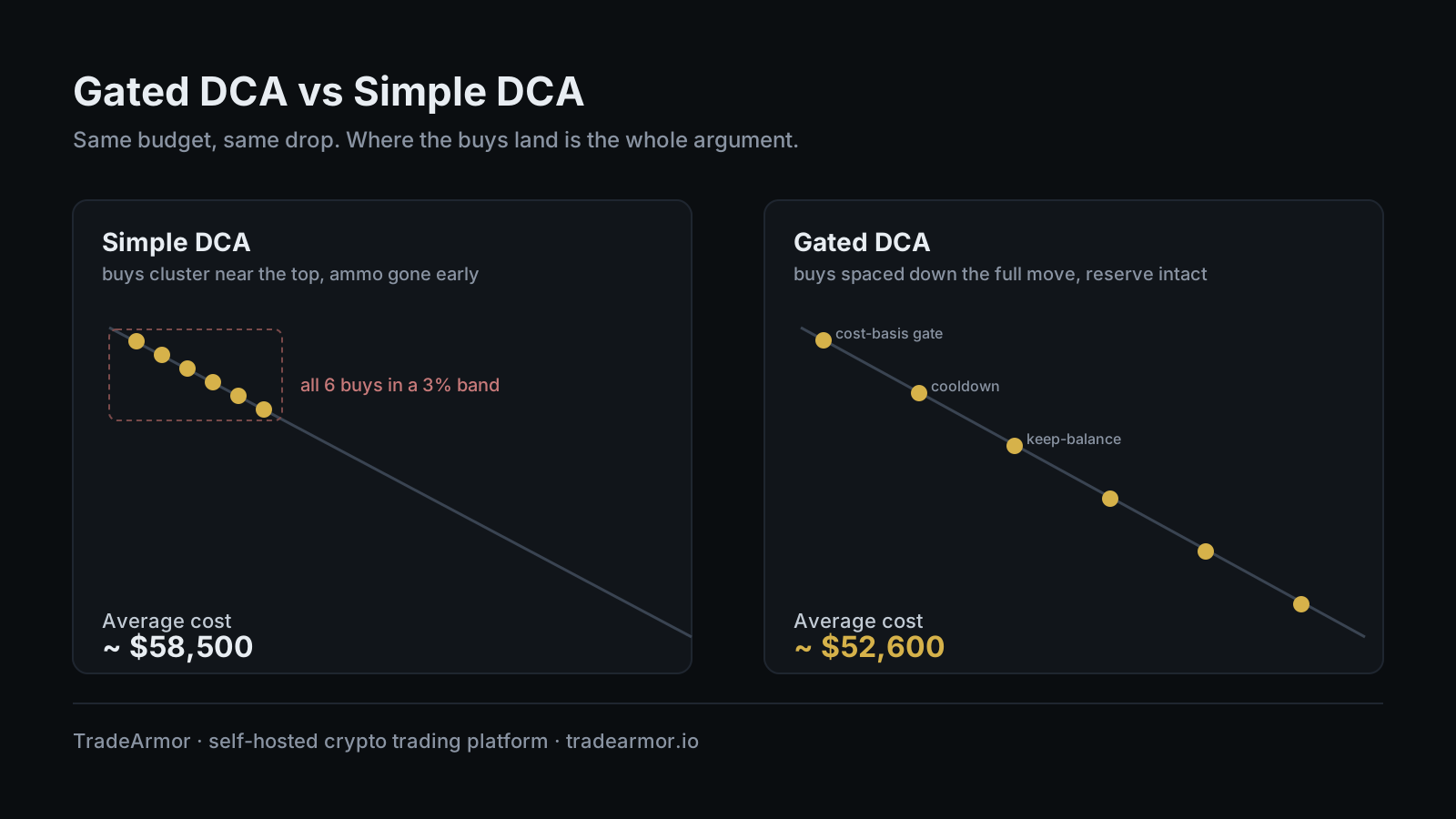
Gated DCA vs Simple DCA: The Math That Matters
Gated DCA vs simple DCA, compared on the math that matters: how cost-basis gates, cooldowns, and EQ-price logic decide whether averaging down actually works.
-
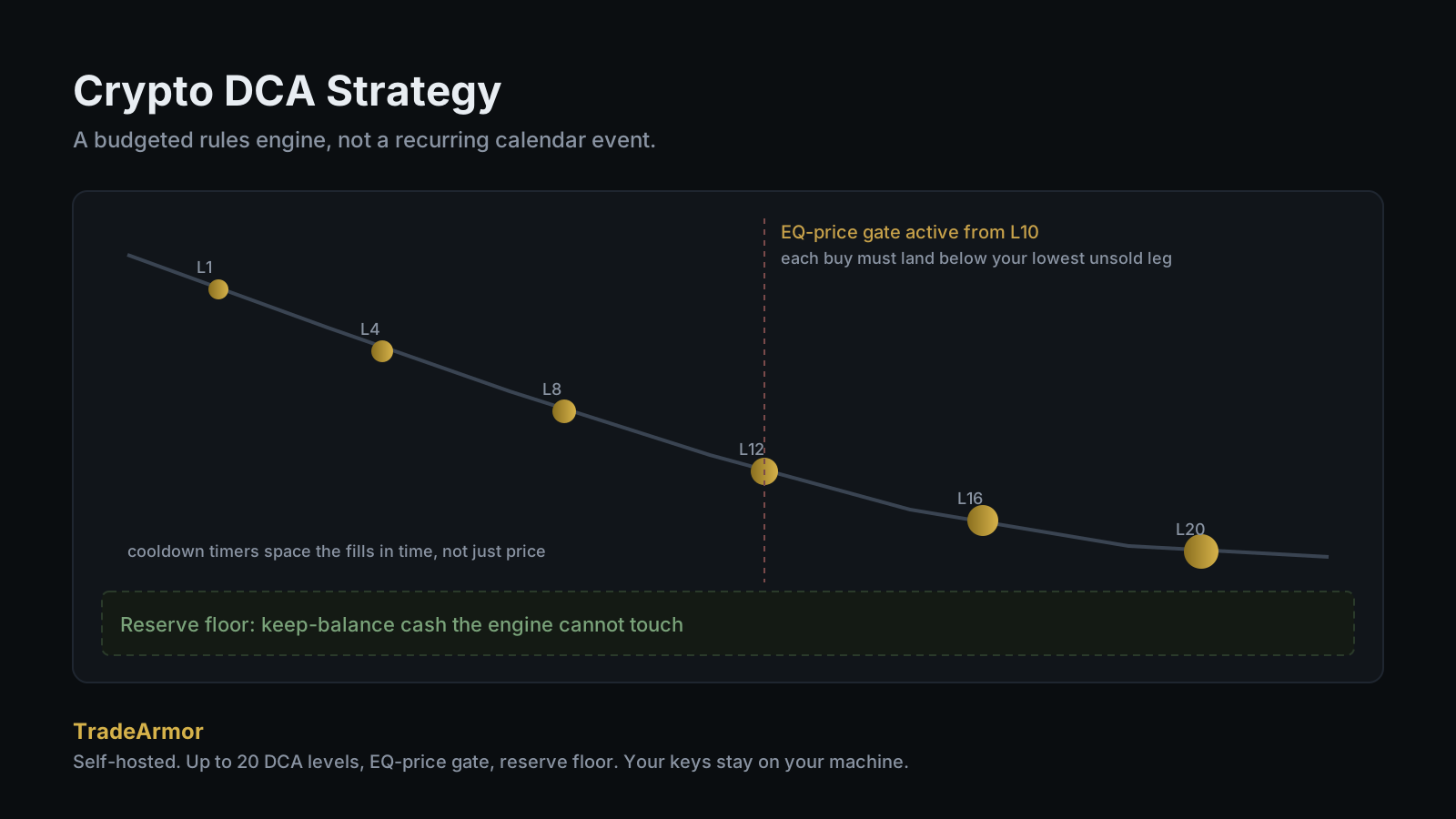
Crypto DCA Strategy: The Complete Guide That Holds Up
A complete crypto DCA strategy guide: when dollar cost averaging works, when it fails, and how a gated rules engine actually lowers your cost basis.
-
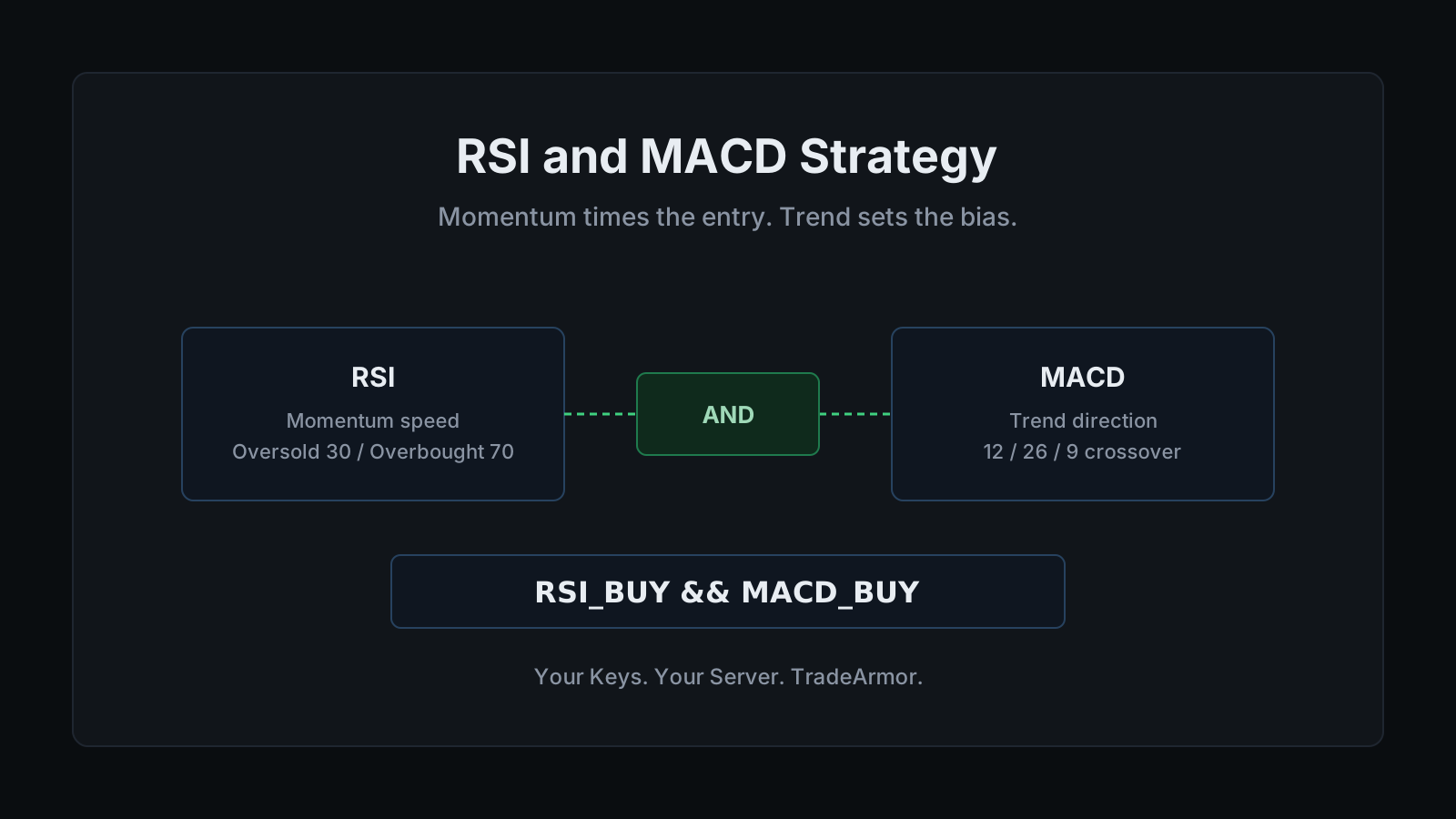
RSI MACD Strategy: A Combined Guide for Crypto
An RSI MACD strategy combines momentum and trend so each covers the other's blind spot. How it works, the best crypto settings, and the bot rule.
-
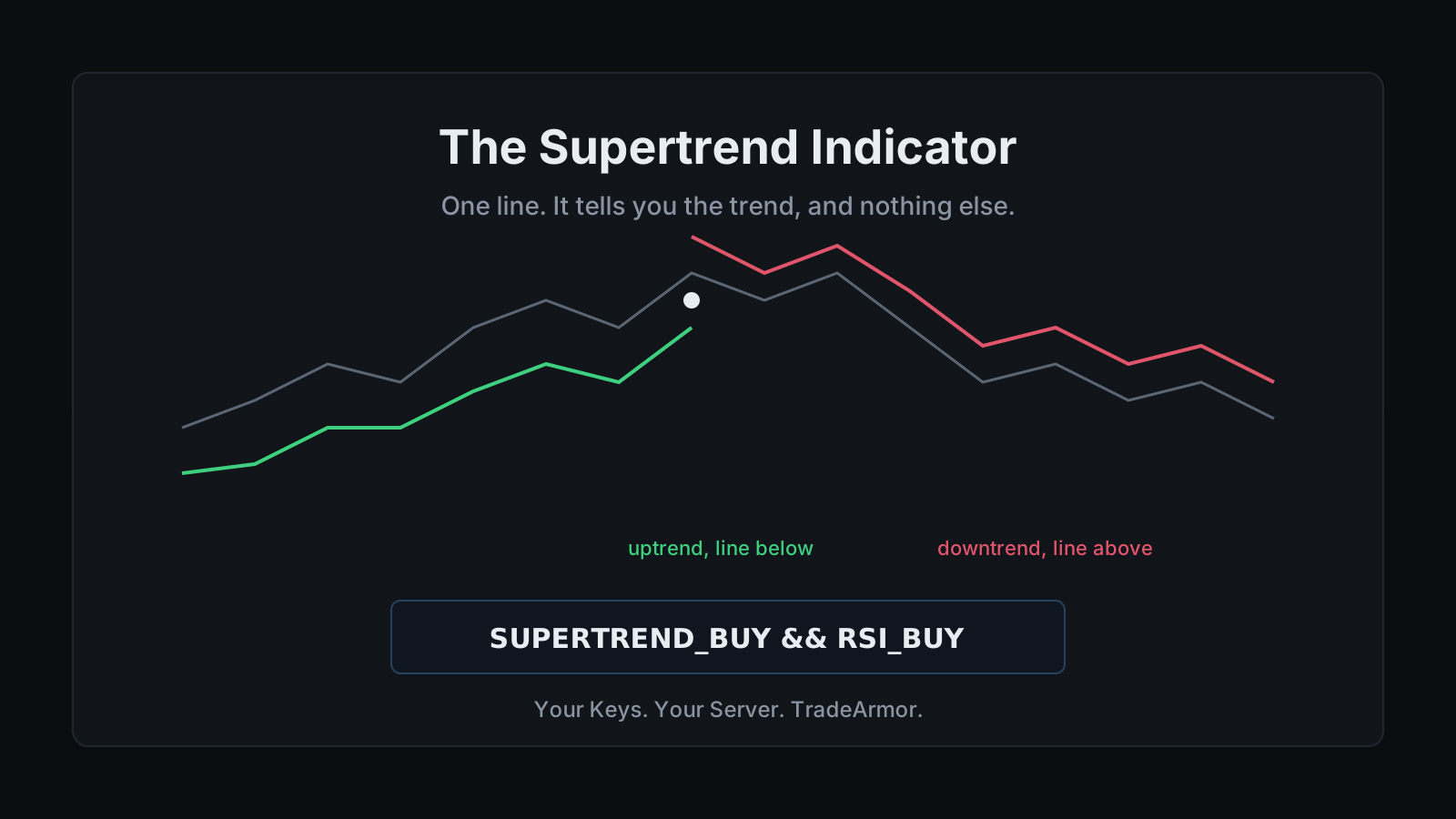
Supertrend Indicator Explained for Crypto Traders
The Supertrend indicator is an ATR-based trend filter. How it works, the best crypto settings, where it whipsaws, and how to run it as a bot rule.
-
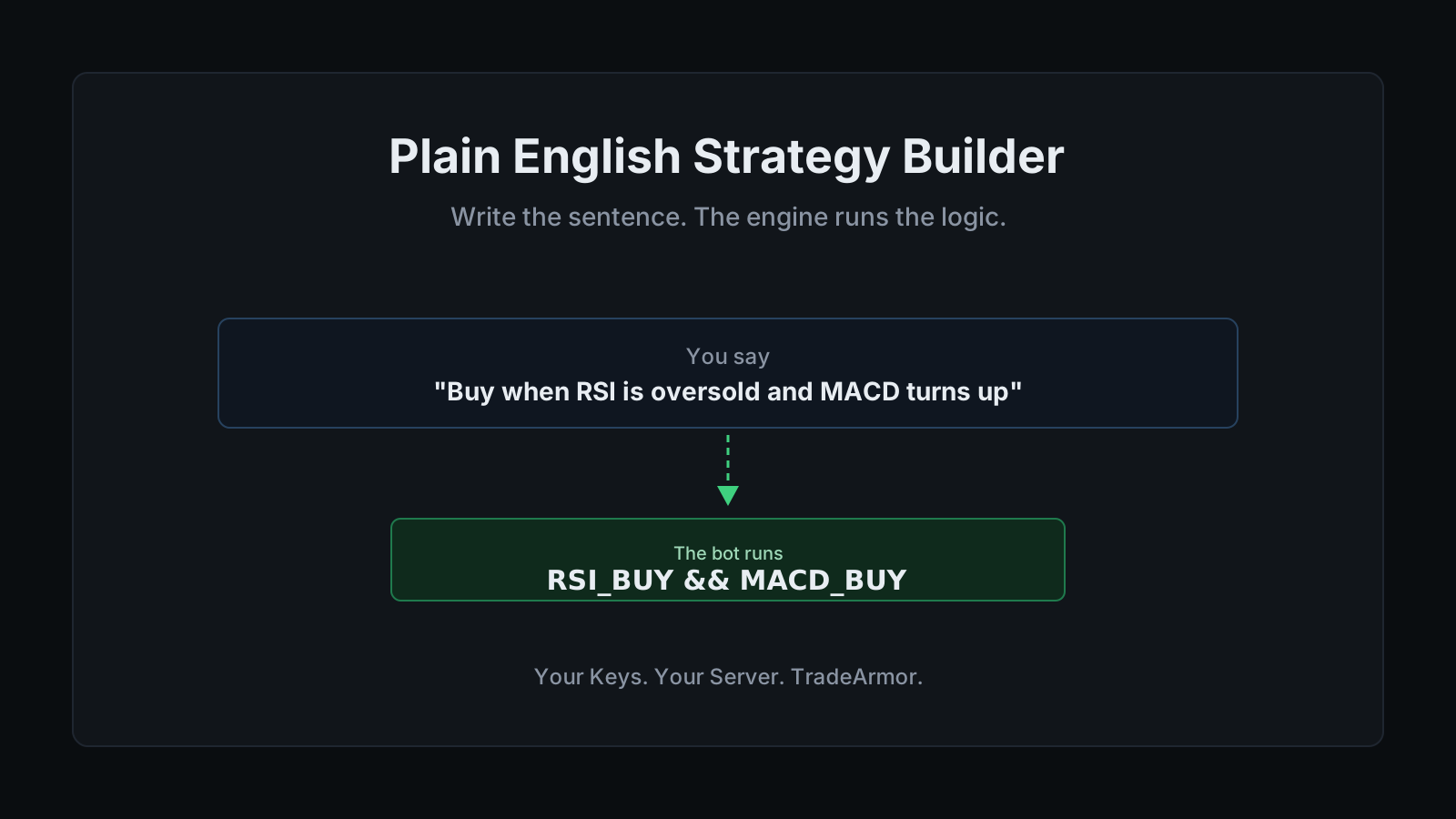
Plain English Crypto Strategy Builder: Sentence to Rule
A plain English crypto strategy builder turns a sentence like buy when RSI is oversold and MACD turns up into a boolean rule your bot runs. Here is how.
-
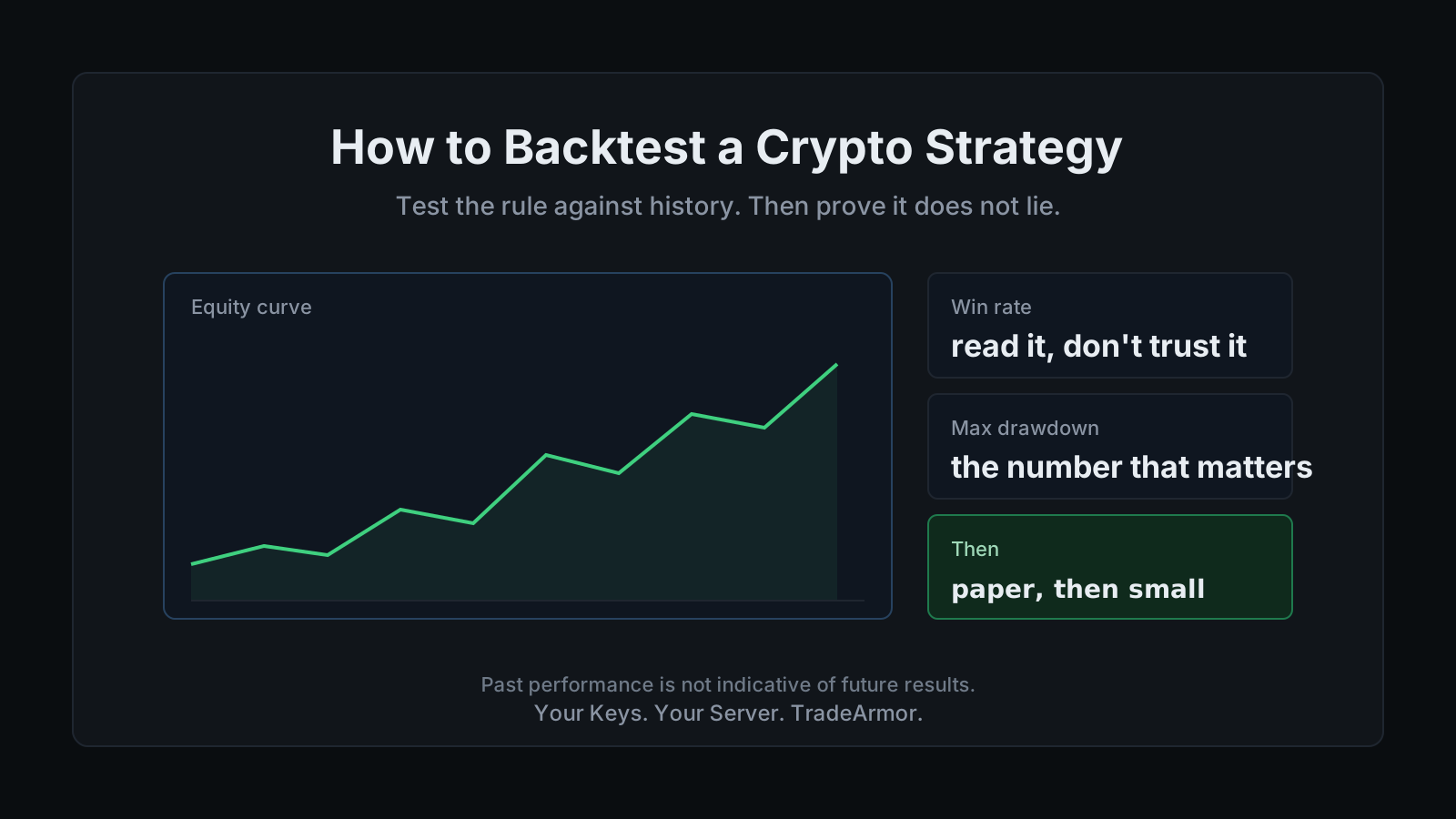
How to Backtest Crypto Strategy Without Fooling Yourself
How to backtest crypto strategy honestly: what a backtest proves, the biases that fake your results, fees, slippage, and a self-hosted walkthrough.
-
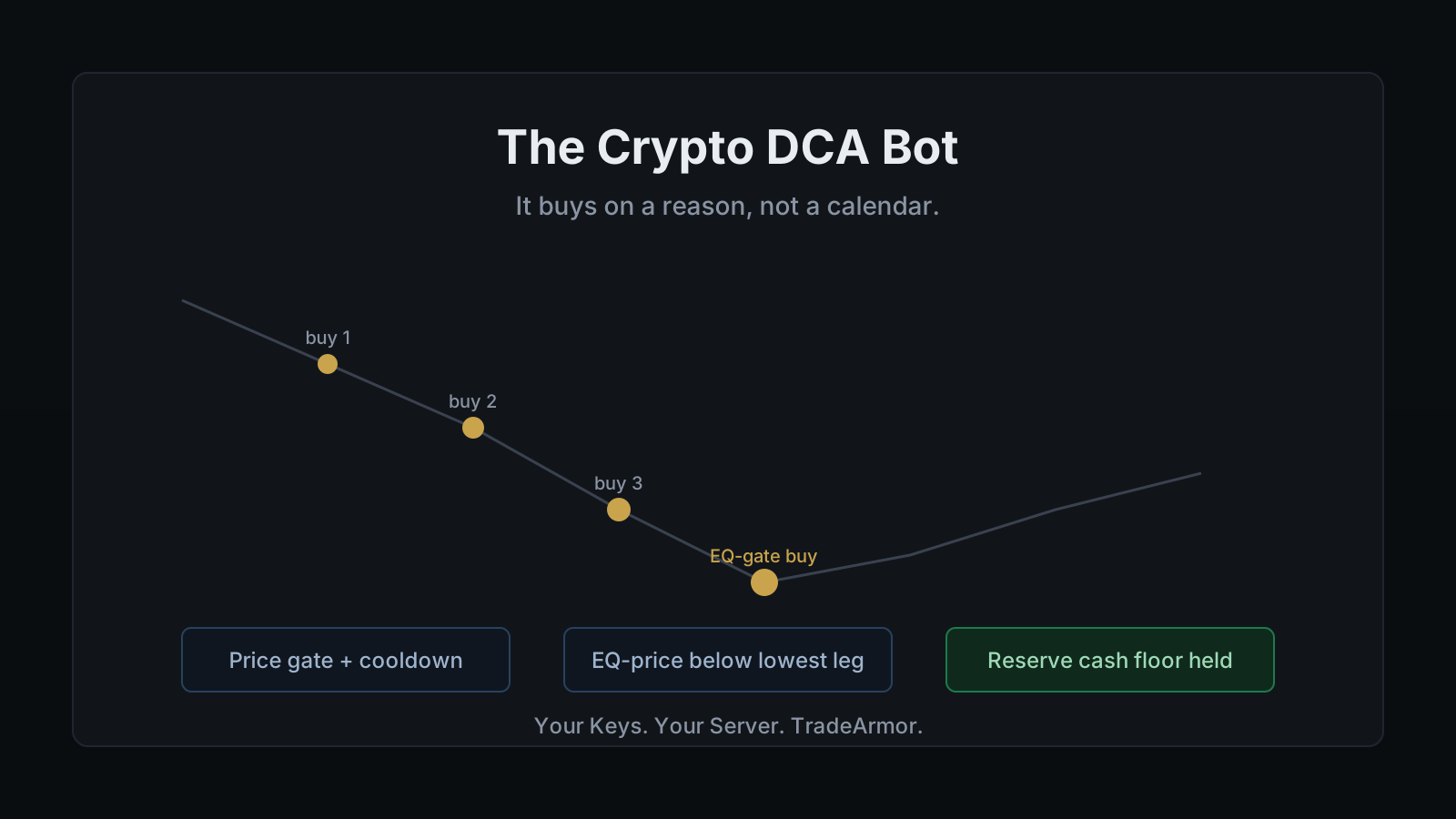
Best Crypto DCA Bot: What Actually Matters
A real crypto DCA bot gates each buy on price, cooldown, and reserve cash, not a calendar. Here is what separates one from a recurring buy, with a 2026 matrix.
-
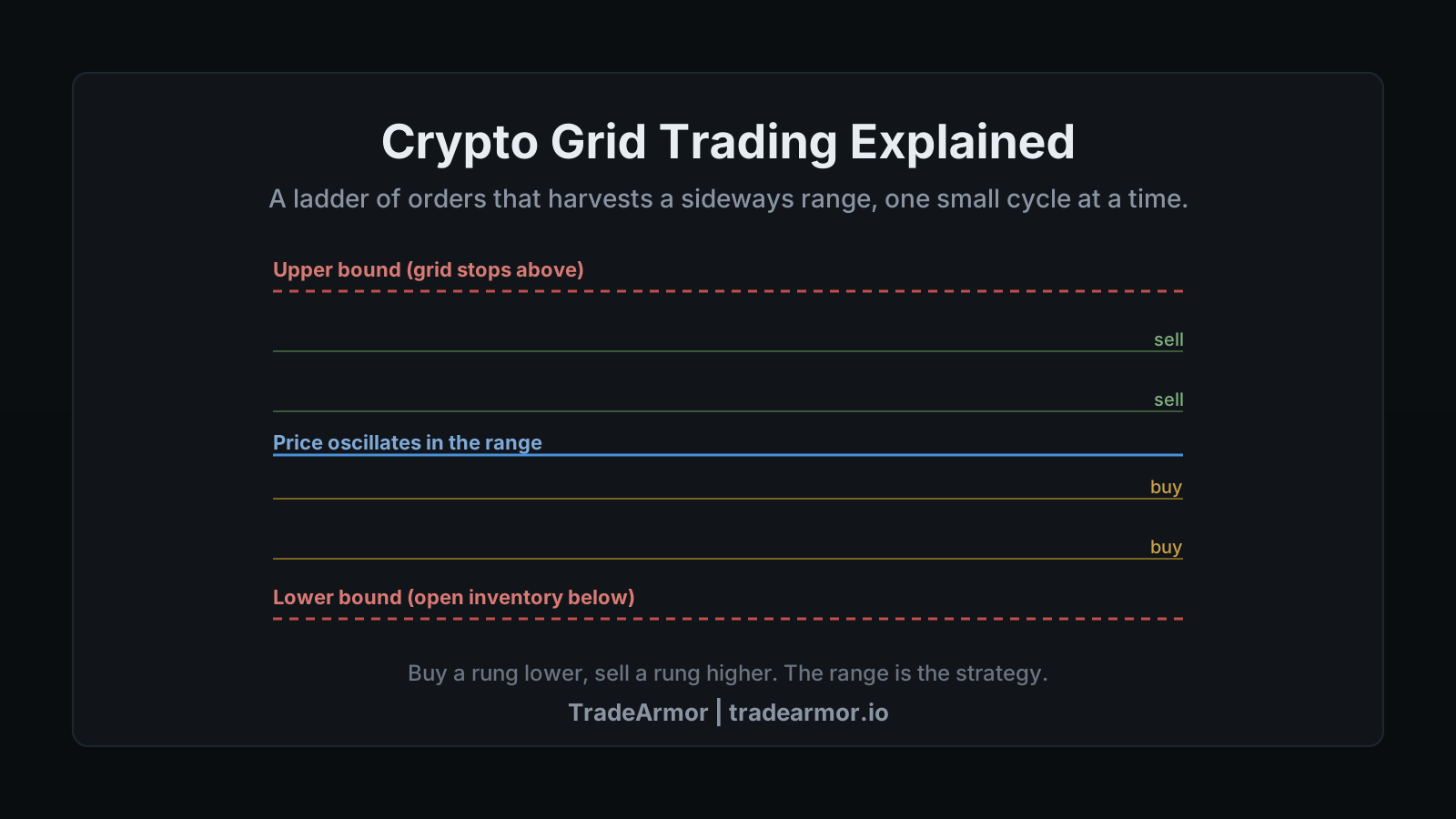
Crypto Grid Trading Explained: How Grid Bots Work
Crypto grid trading explained: how a grid bot profits from a sideways market, how to set range, step size, and order count, and when a grid breaks.
-
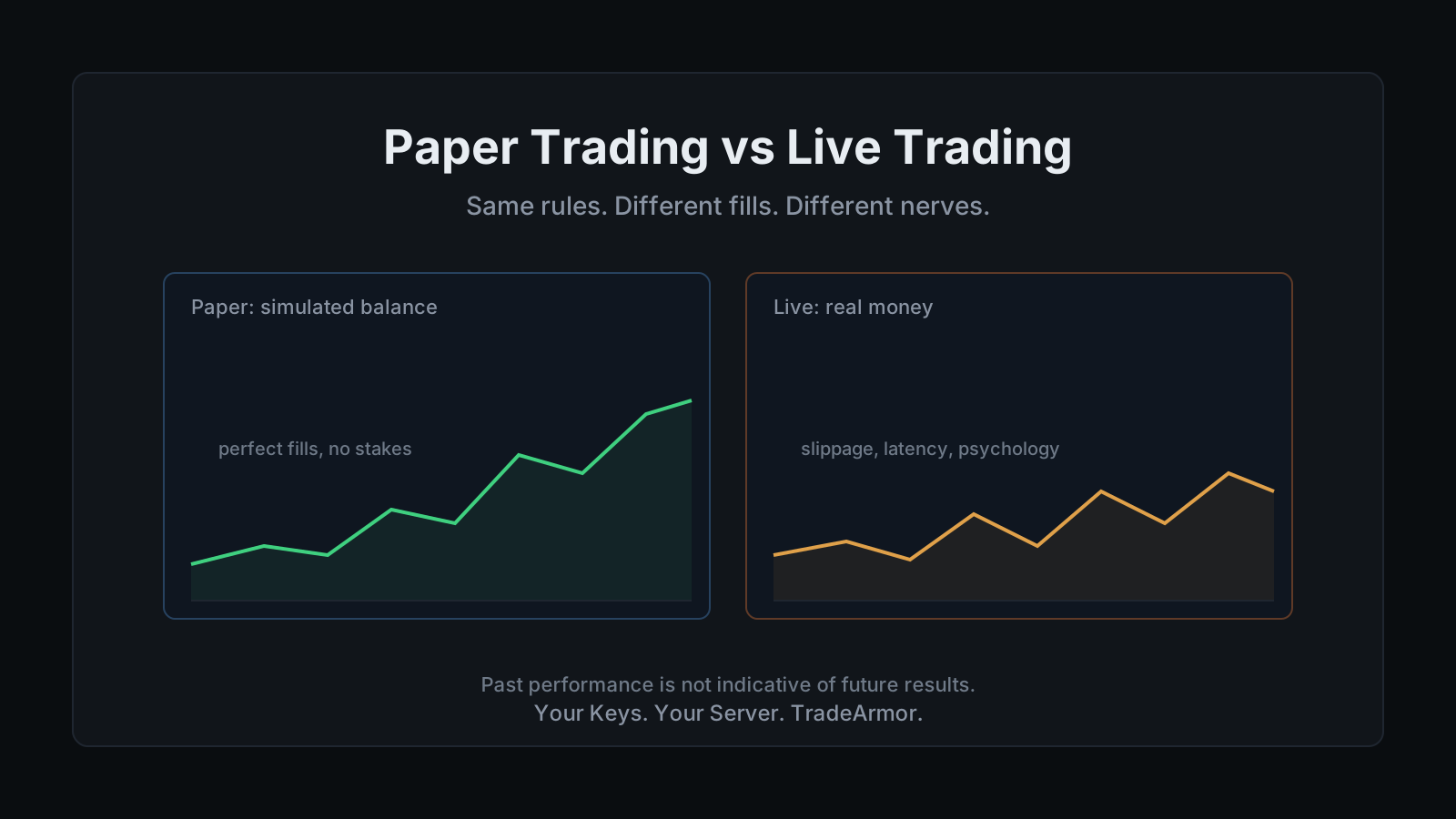
Paper Trading vs Live Trading: When to Switch
Paper trading vs live trading in crypto: what a paper run proves, the execution and psychology gaps it hides, and how to know when to switch to real money.
-
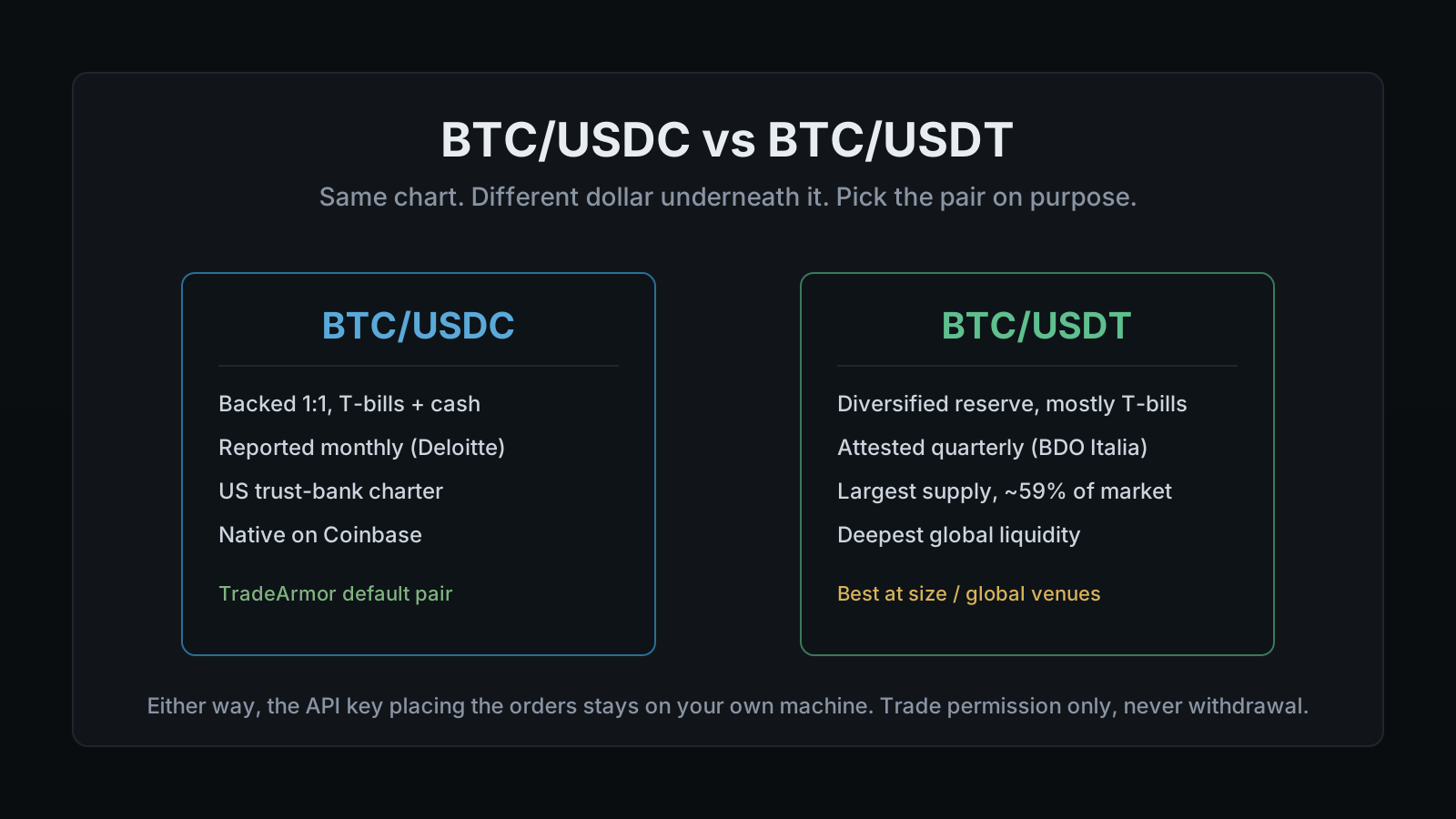
BTC/USDC vs BTC/USDT: Which Pair for a Trading Bot
BTC/USDC vs BTC/USDT for a trading bot: how the two stablecoins differ on reserves, regulation, and liquidity, and why TradeArmor defaults to BTC/USDC.
-
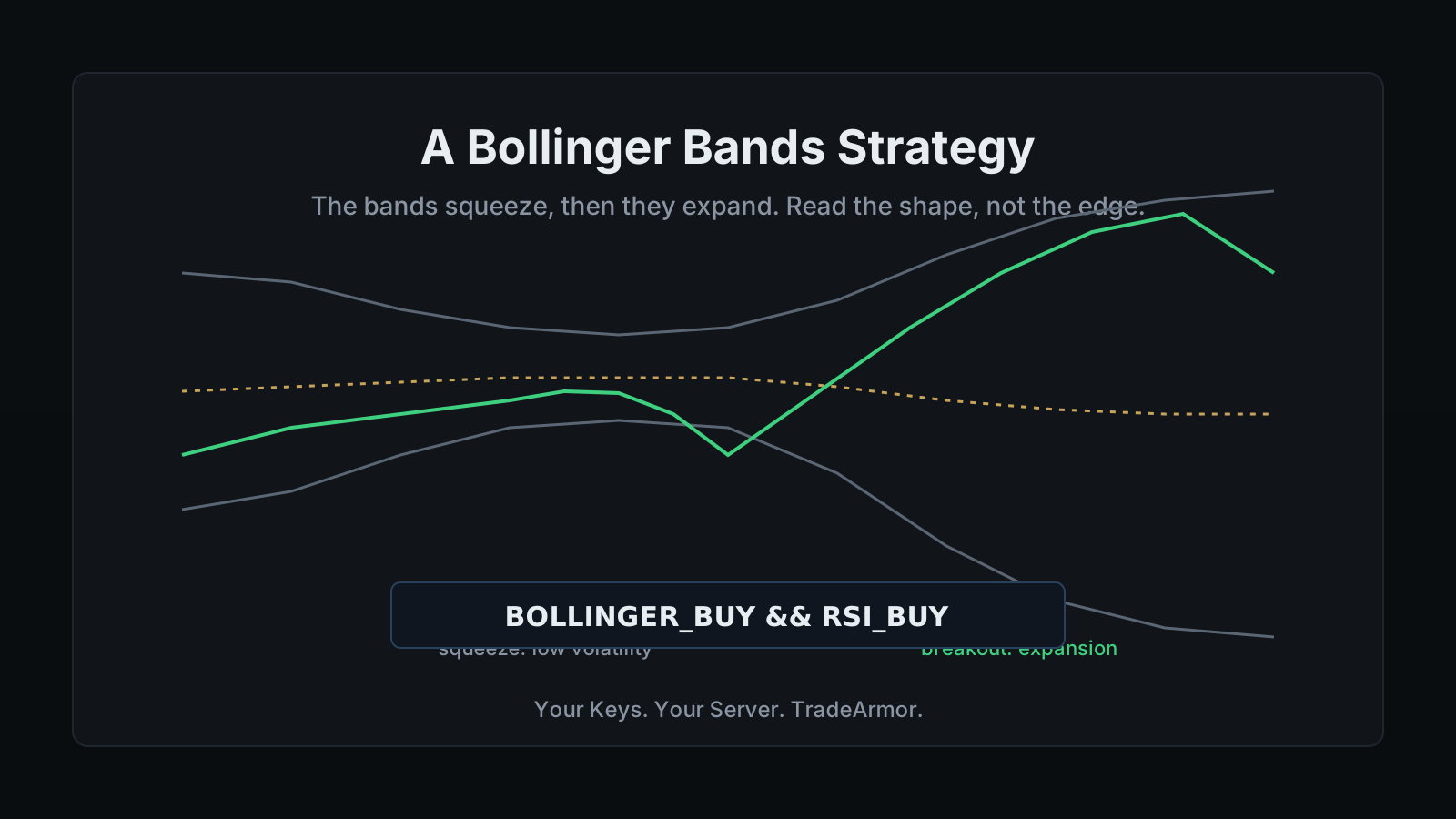
Bollinger Bands Strategy for Crypto Traders
A Bollinger Bands strategy for crypto works two ways: mean reversion in a range and the squeeze breakout. How each works, the settings, and the bot rule.
-
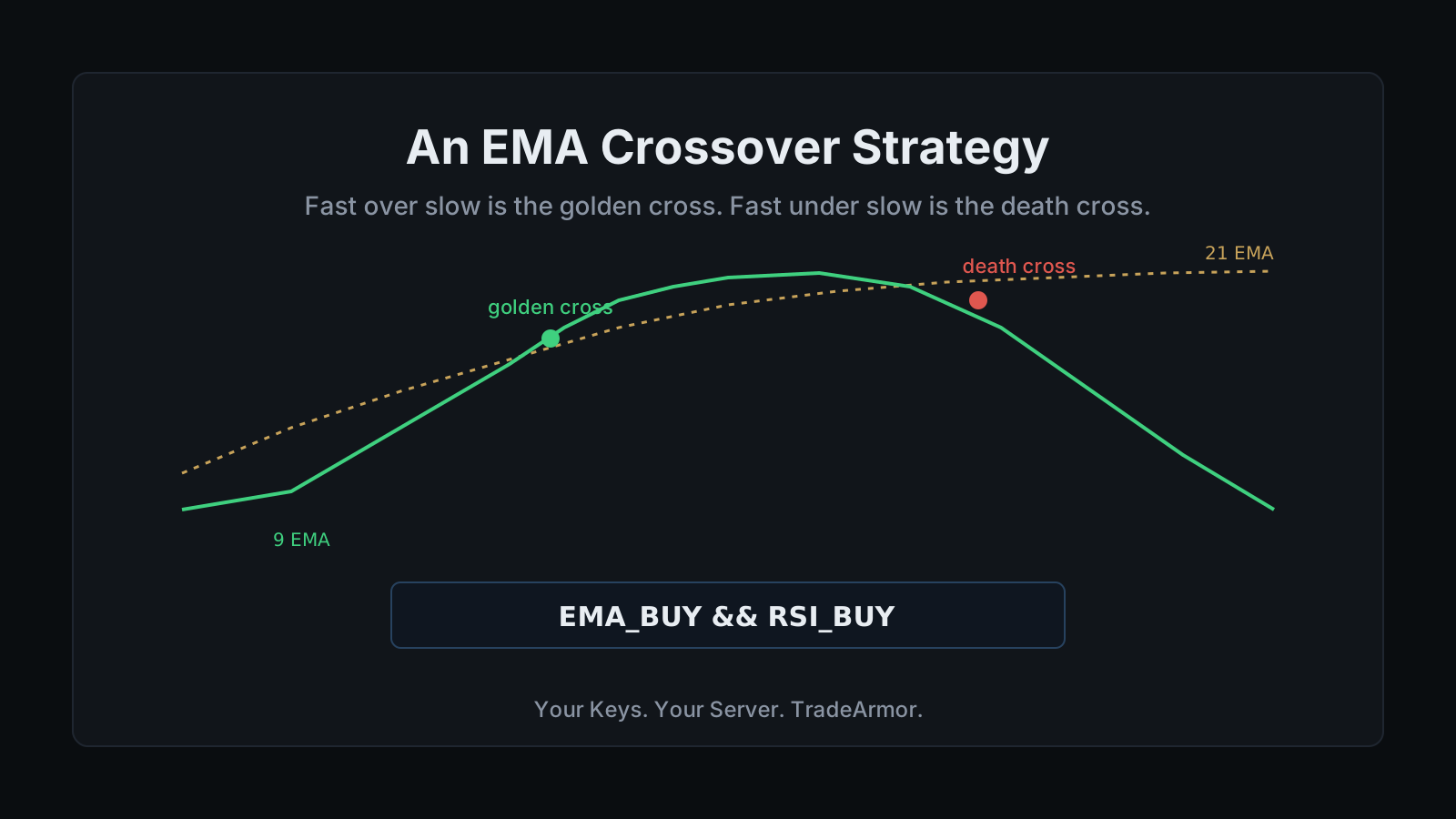
EMA Crossover Strategy for Crypto Traders
An EMA crossover strategy for crypto trades the golden cross and death cross. How fast and slow EMAs work, the period pairs, and the bot rule.
-
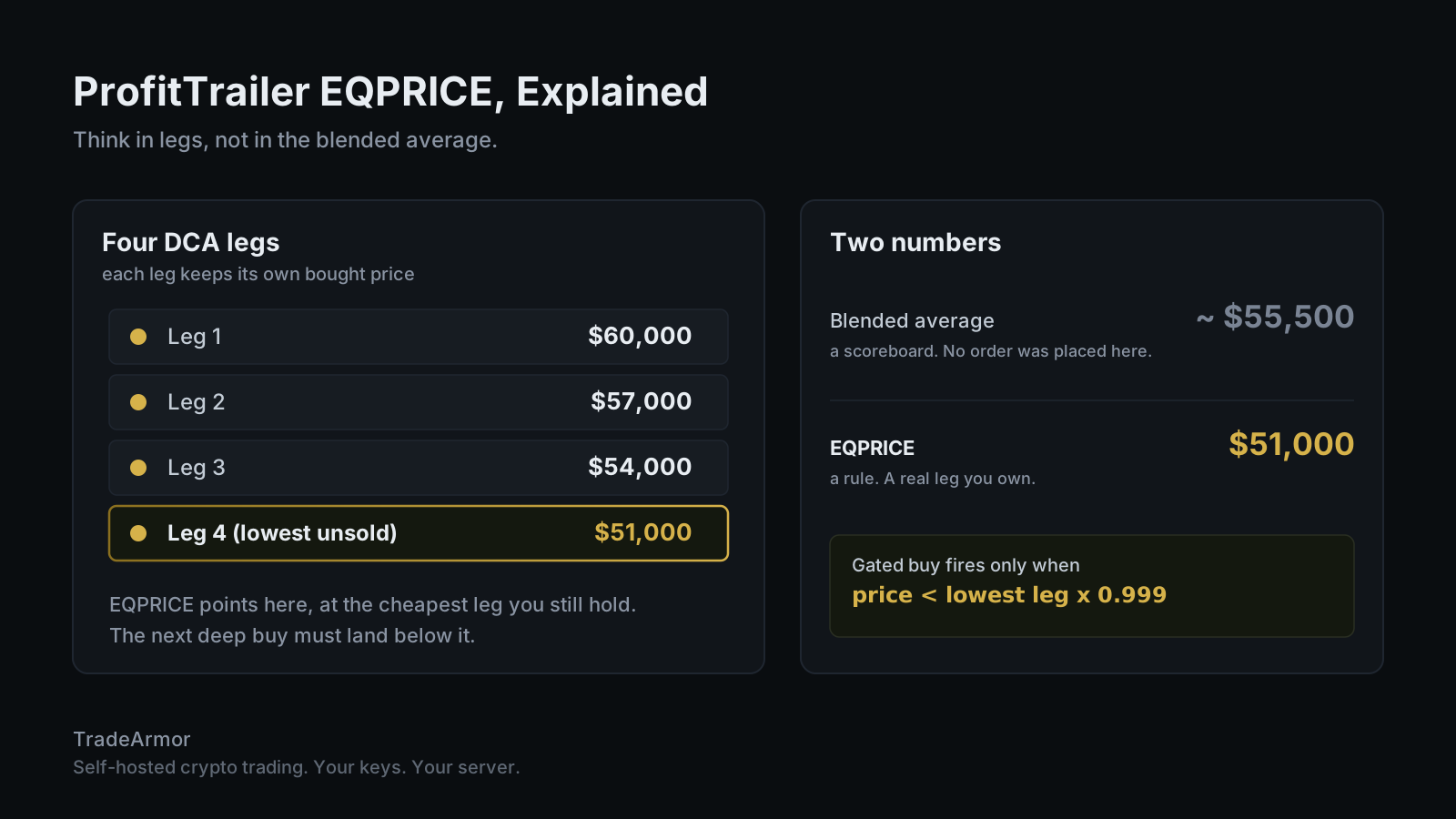
ProfitTrailer EQPRICE Explained (and How Gated DCA Uses It)
ProfitTrailer EQPRICE explained: what the per-leg bought price actually does, why it beats the blended average, and how a gated DCA bot uses it to buy.
-
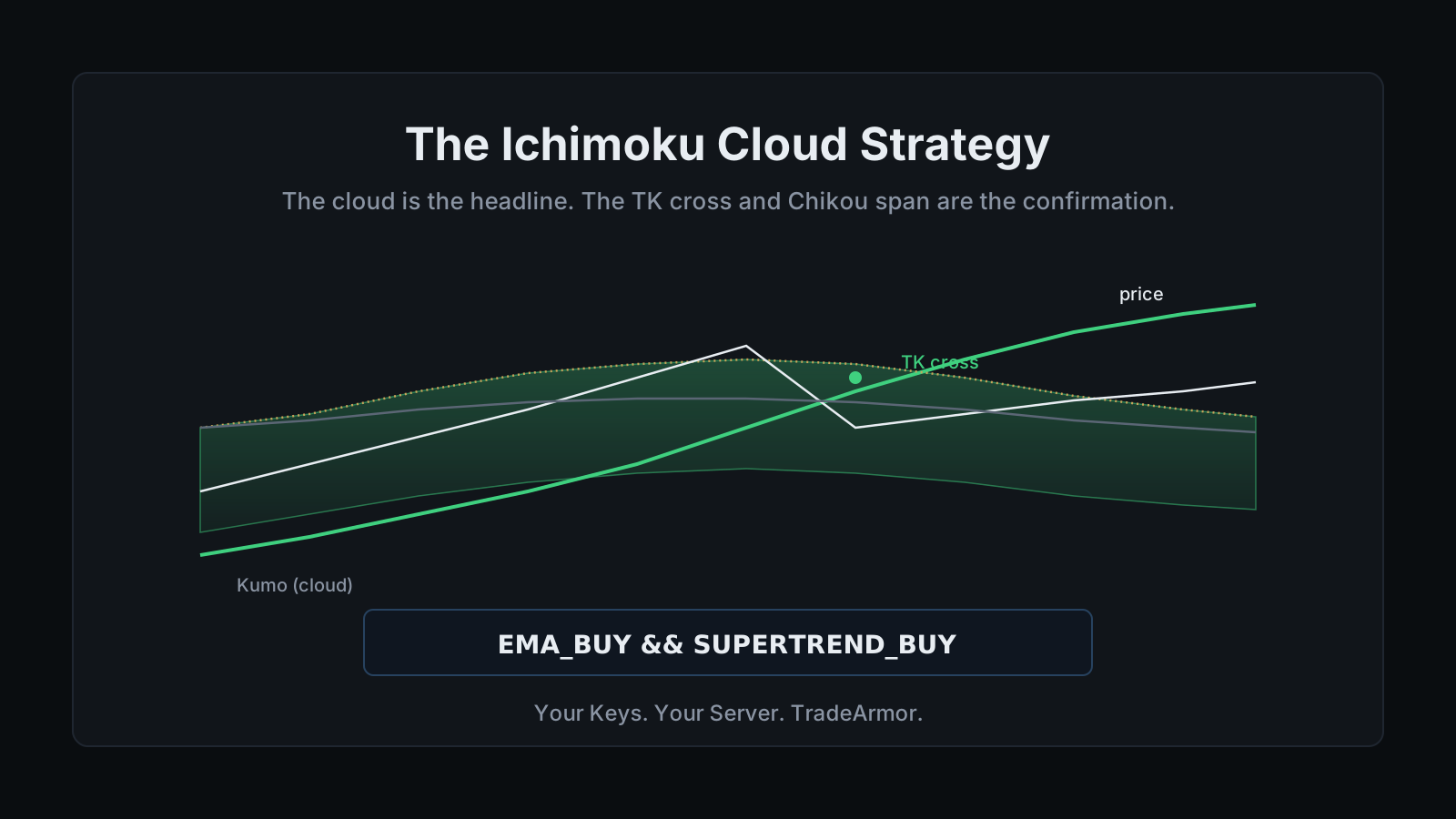
Ichimoku Cloud Strategy for Crypto Traders
An Ichimoku cloud strategy for crypto needs more than a green cloud. The TK cross, Chikou confirmation, real settings, and how to run it as a bot rule.
-
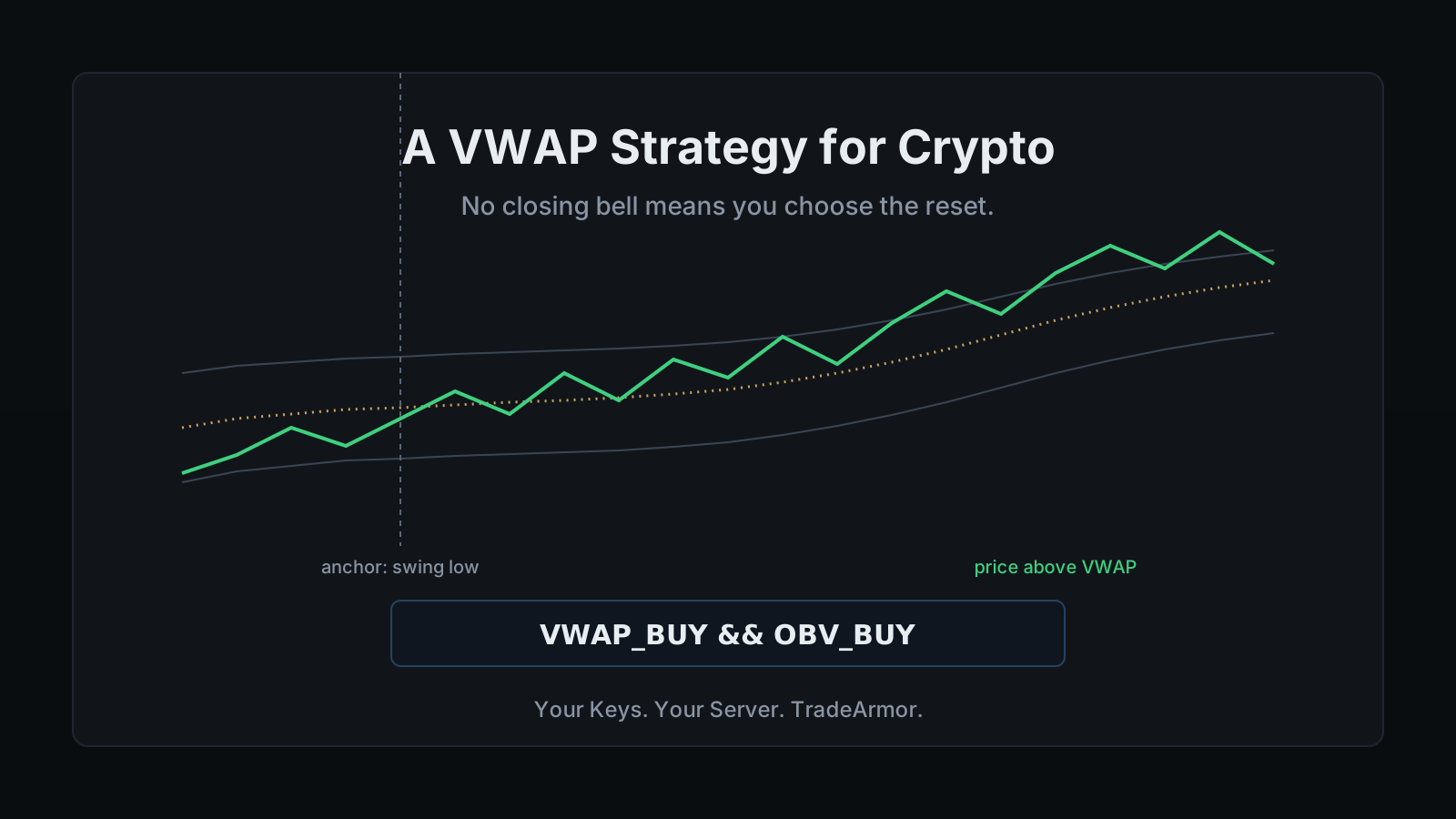
VWAP Strategy for Crypto Traders
A VWAP strategy for crypto has to solve a problem stocks never had: no closing bell. How VWAP, anchored VWAP, and deviation bands become a bot rule.
-
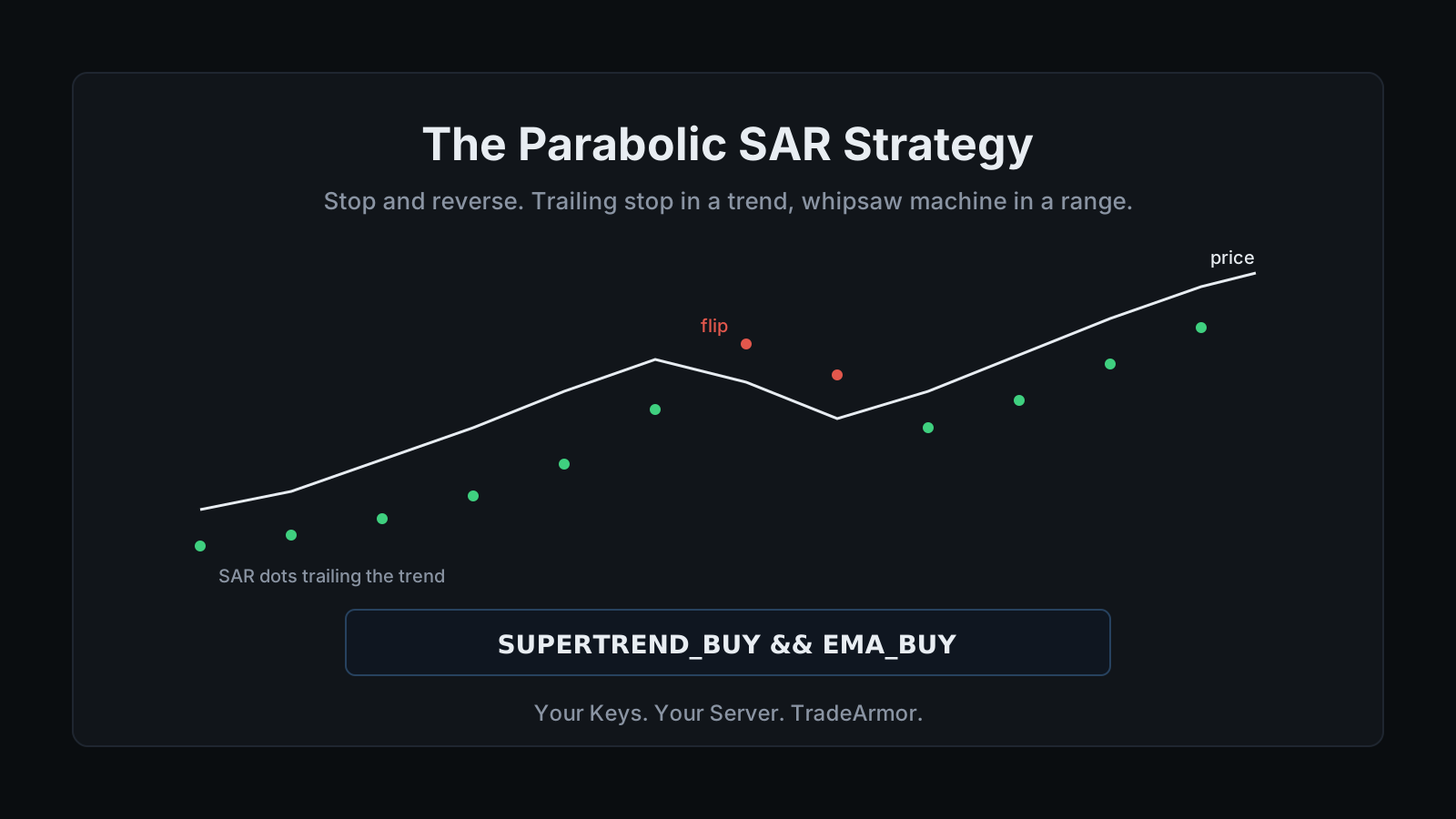
Parabolic SAR Strategy for Crypto Traders
A parabolic sar strategy without a trend filter turns into a whipsaw machine. The real formula, the acceleration factor, and how to gate it into a bot rule.
-
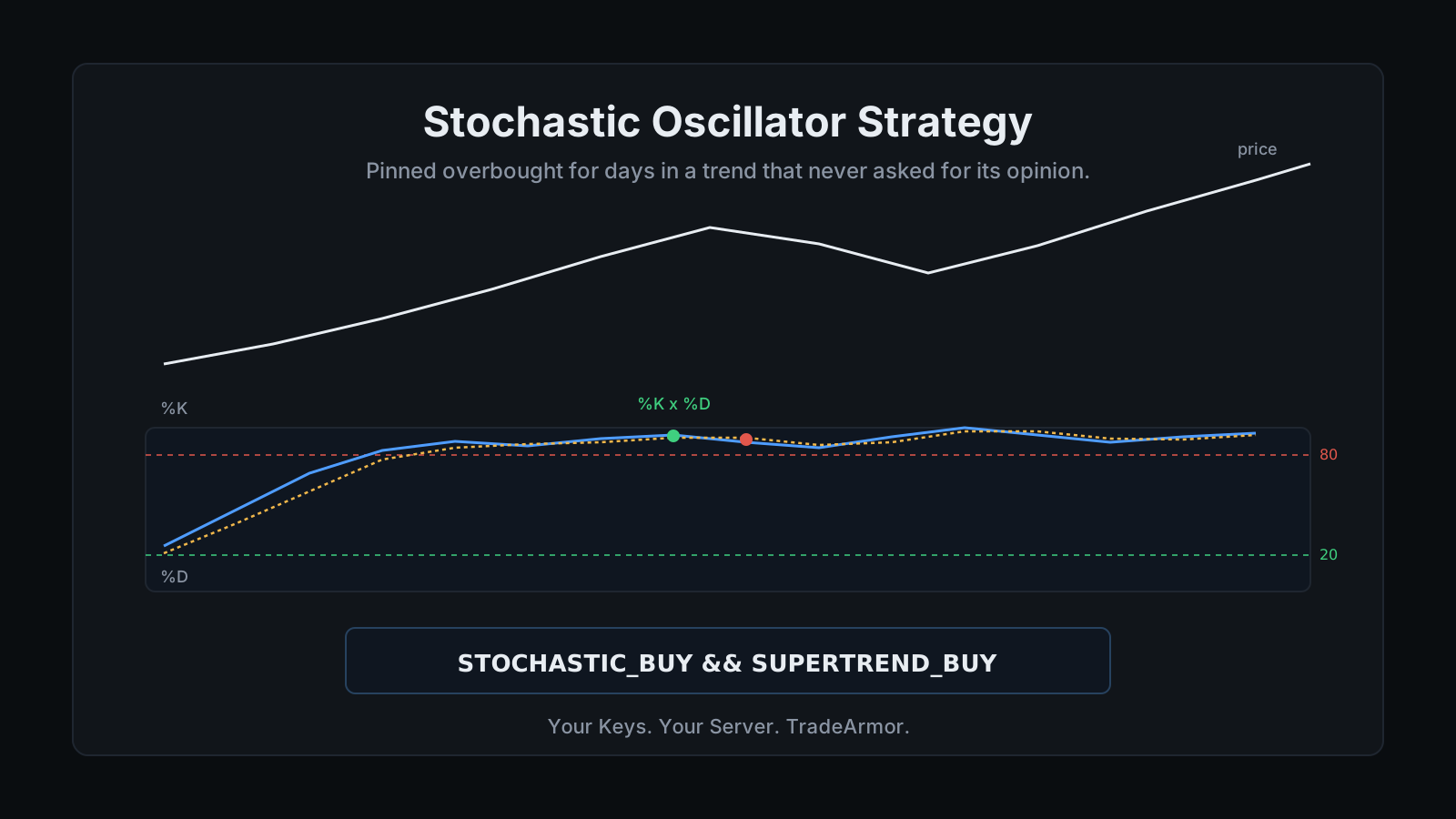
Stochastic Oscillator Strategy for Crypto Trading Bots
A stochastic oscillator strategy on the default 14,3,3 settings whipsaws hard in a real trend. The formula, the fast vs slow vs StochRSI split, and the fix.
-
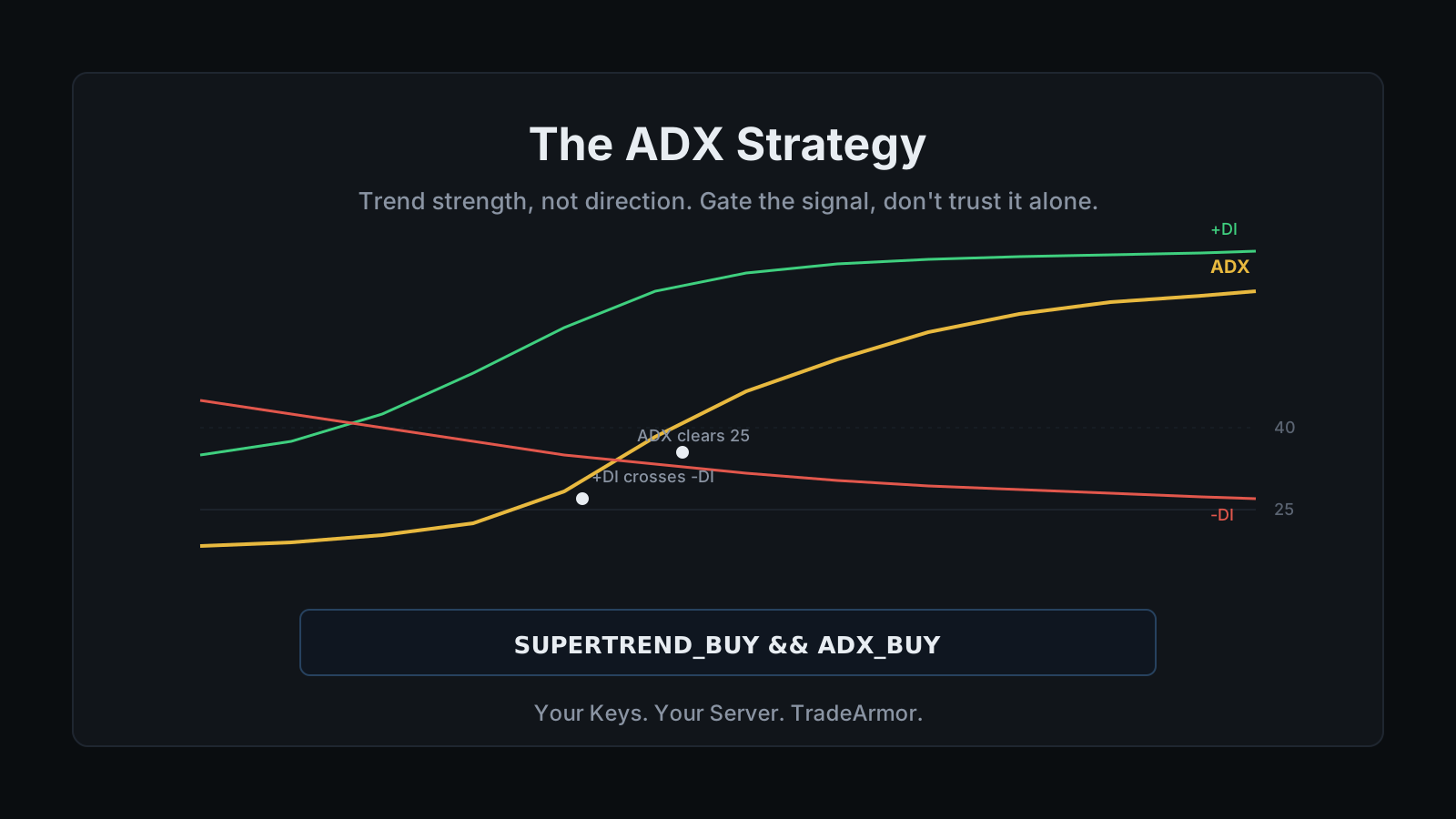
ADX Strategy for Crypto Traders
An ADX strategy for crypto measures trend strength, not direction. The threshold levels that matter, why ADX alone never trades, and the bot rule that gates it.
-
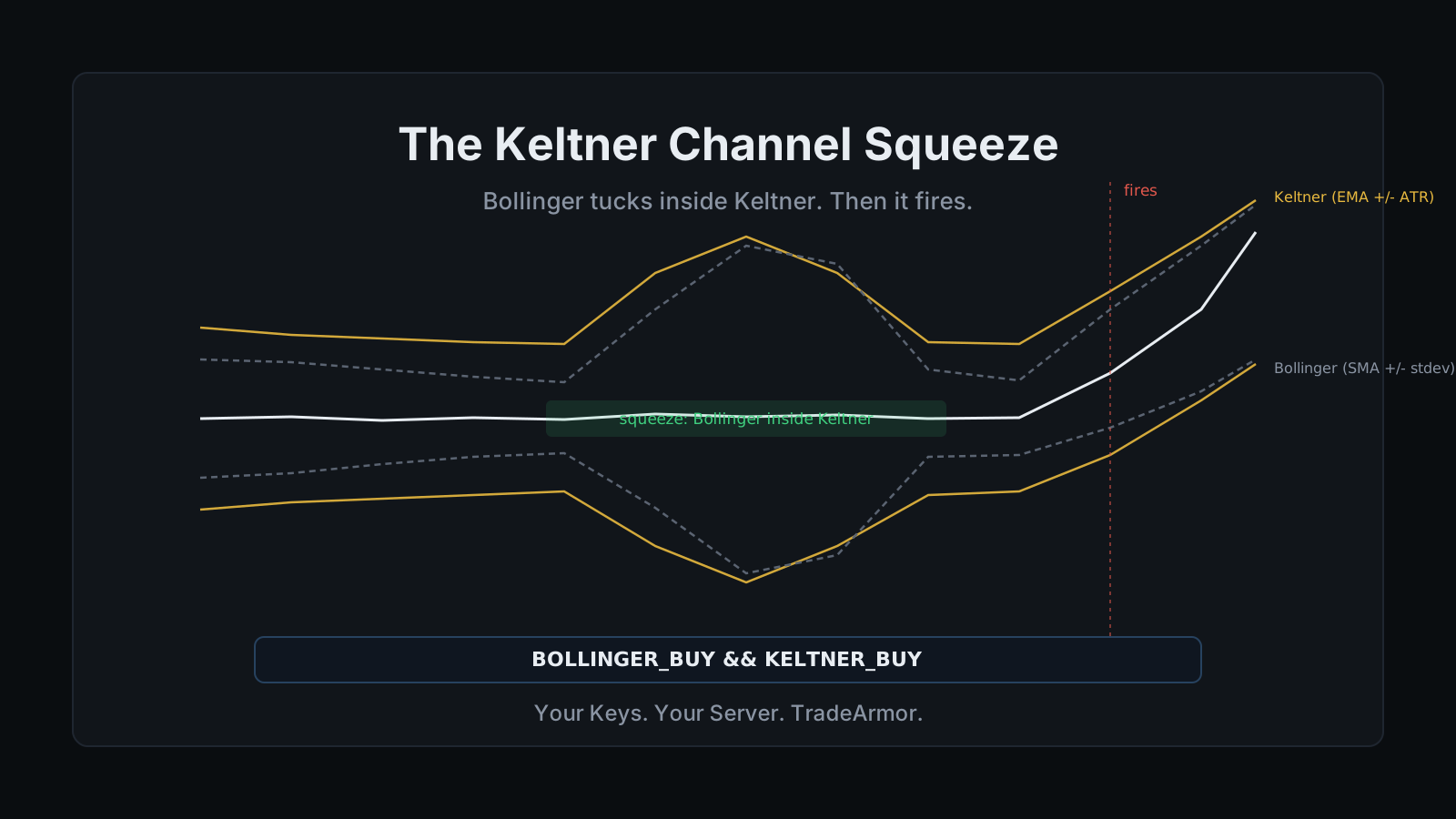
Keltner Channel Strategy for Crypto: Trading the Squeeze Before It Fires
A keltner channel strategy pairs an EMA basis with an ATR envelope to catch crypto's pre-breakout squeeze. The formula, the TTM setup, and the bot rule.
-
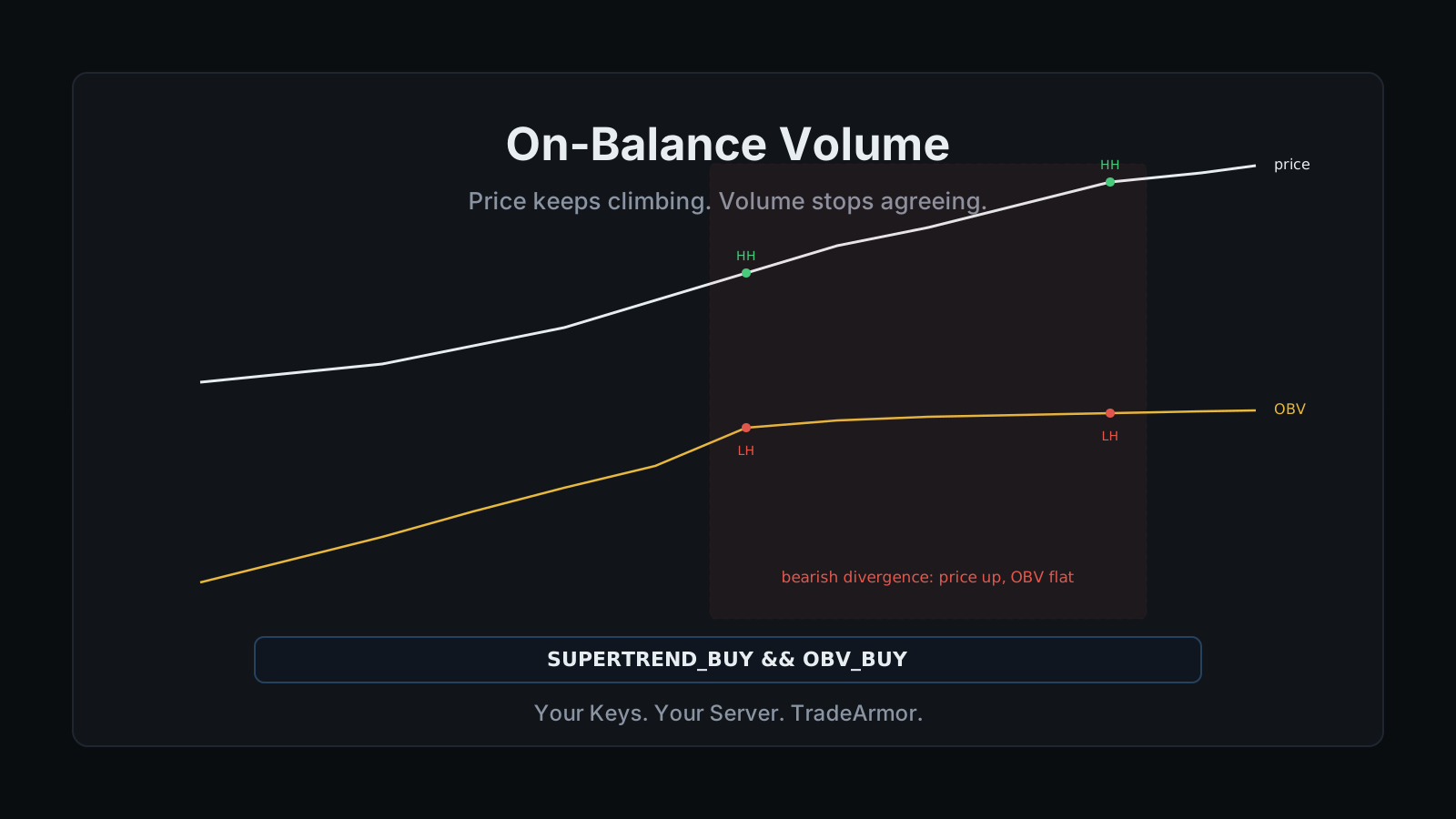
OBV Strategy for Crypto: Reading On-Balance Volume Before Price Confirms It
An OBV strategy tracks cumulative volume flow to catch buying or selling pressure before price confirms it. The formula, divergence reads, and the bot rule.
-
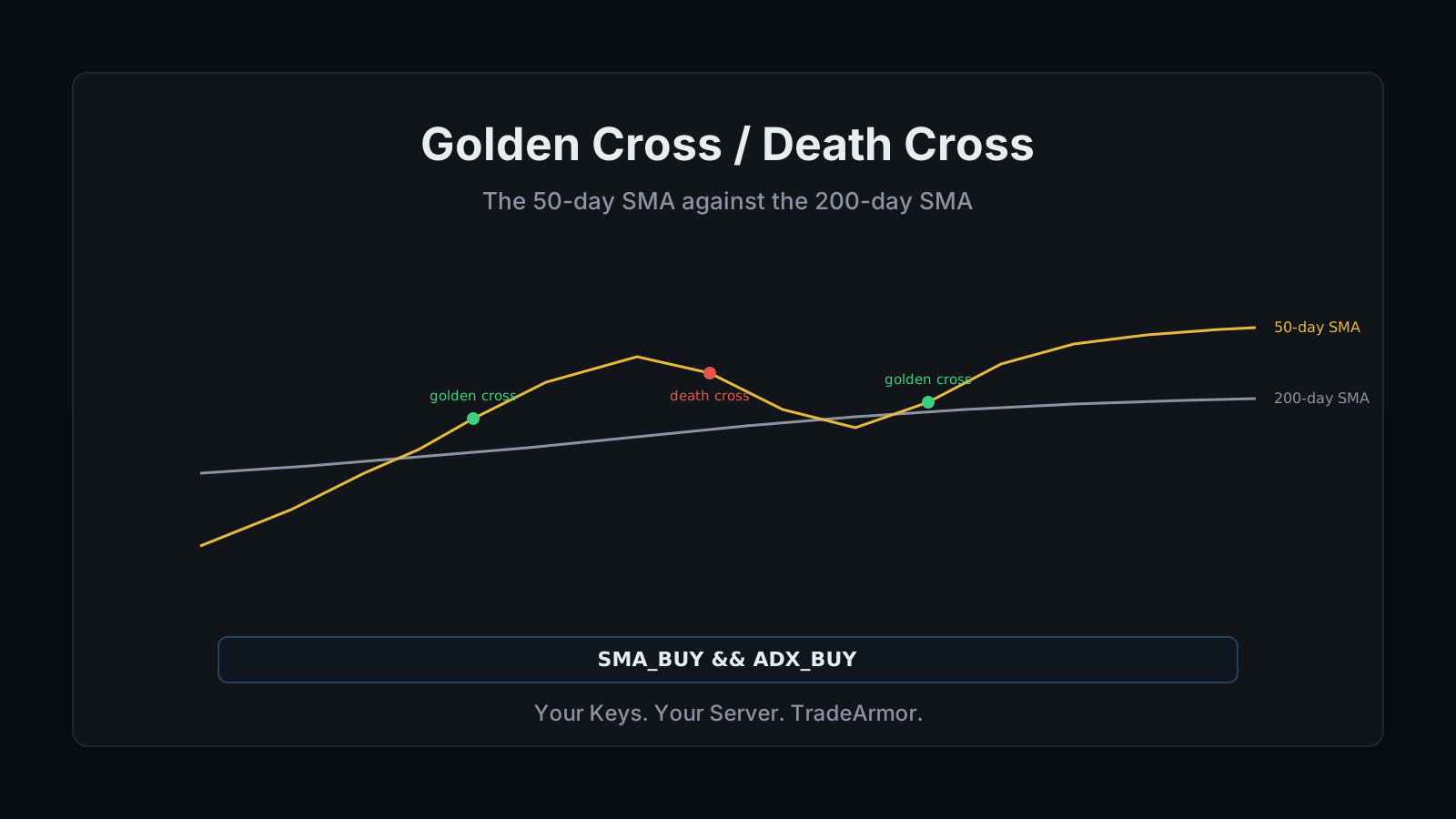
SMA Golden Cross and Death Cross Strategy for Crypto
A golden cross and death cross strategy for crypto runs on the classic 50-day and 200-day SMA, not EMA. The mechanics, the history, and the bot rule.
-
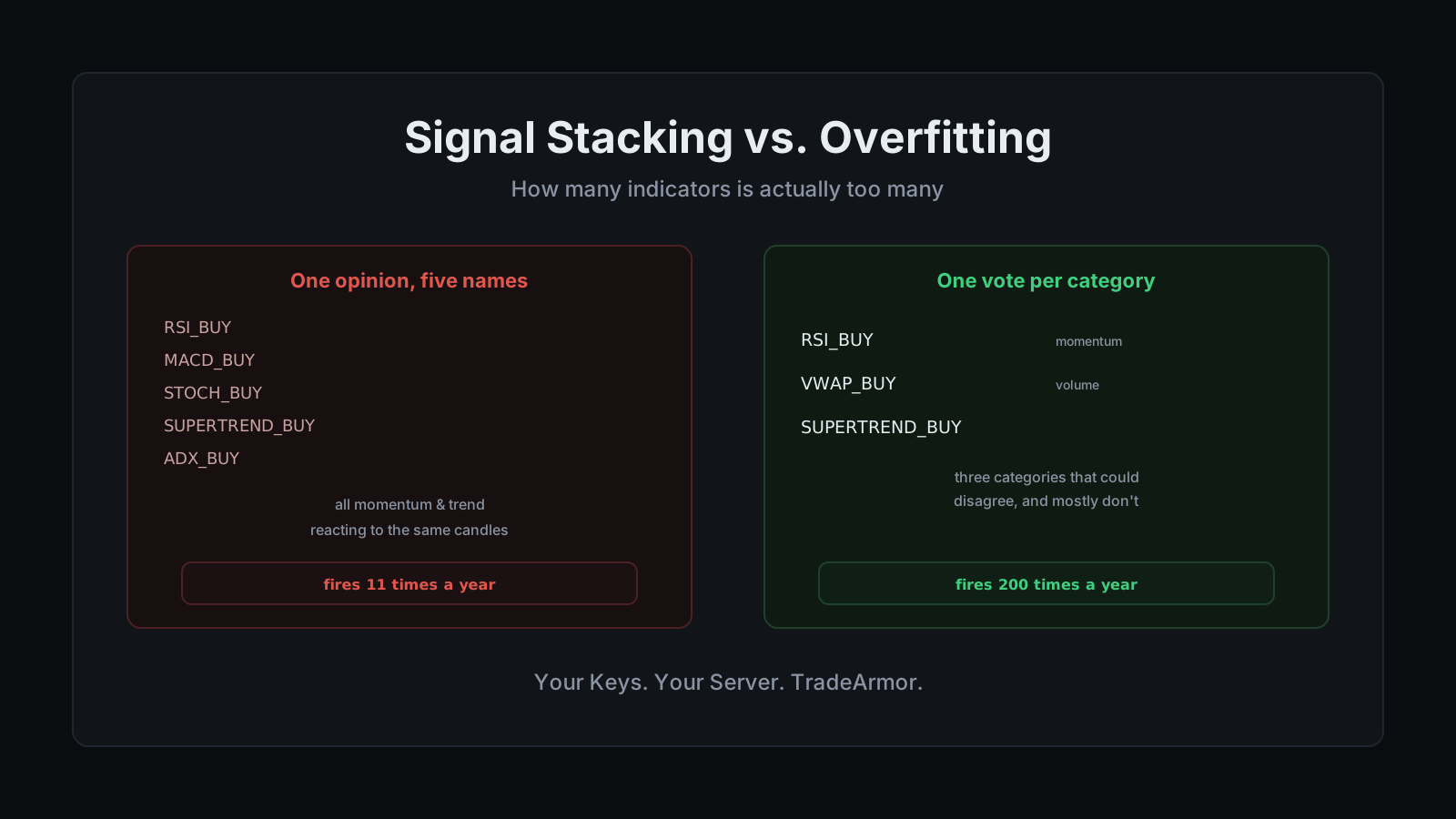
Signal Stacking vs. Overfitting: How Many Indicators Should a Crypto Bot Use
Signal stacking helps a crypto bot right up until it doesn't. Where confluence turns into overfitting, and how many indicators is actually too many.
-
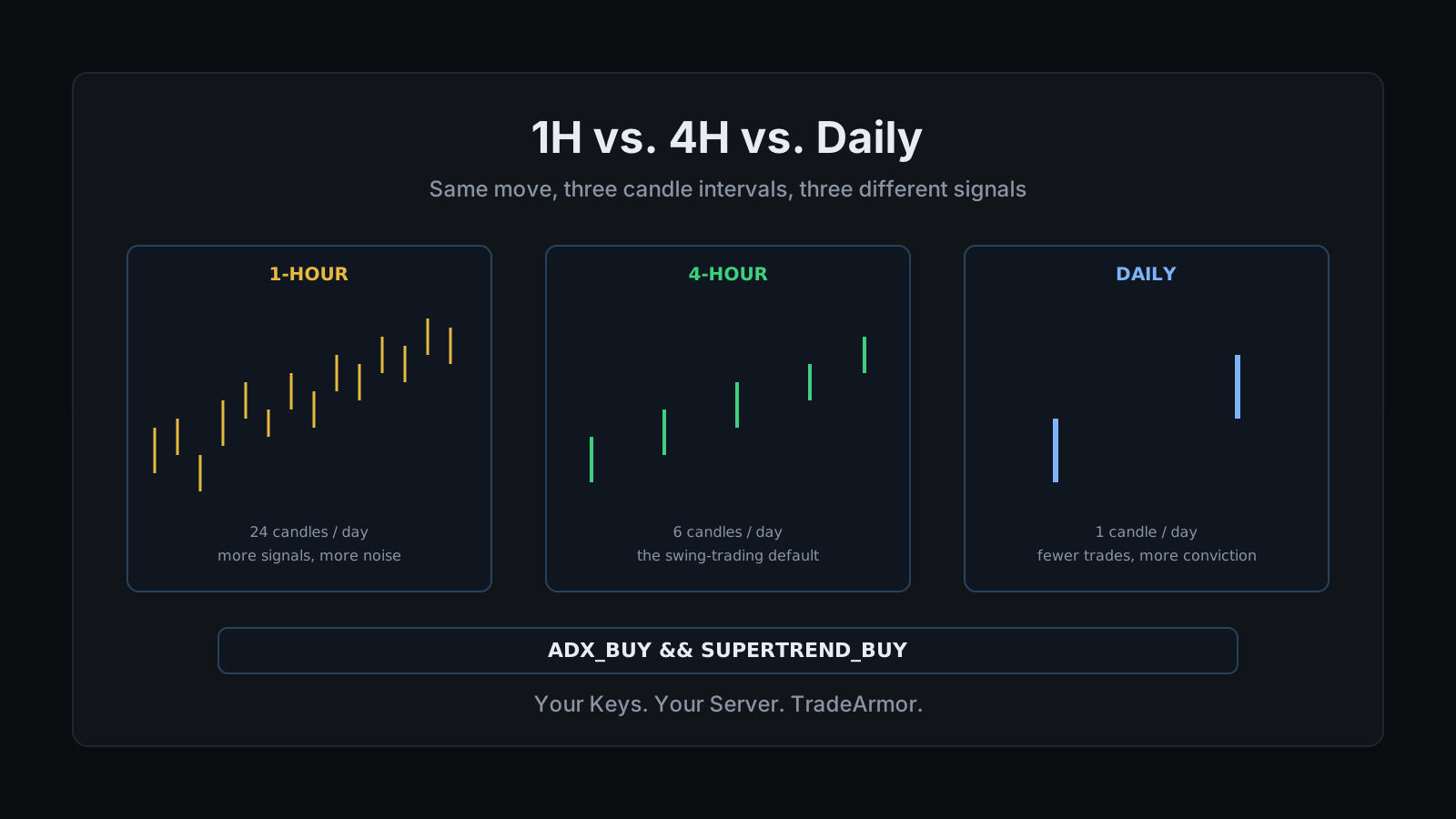
Best Timeframe for a Crypto Trading Bot: 1H vs. 4H vs. Daily
The best timeframe for a crypto trading bot depends on fees, monitoring time, and noise, not a magic interval. 1H vs 4H vs daily, and how to pick.
-
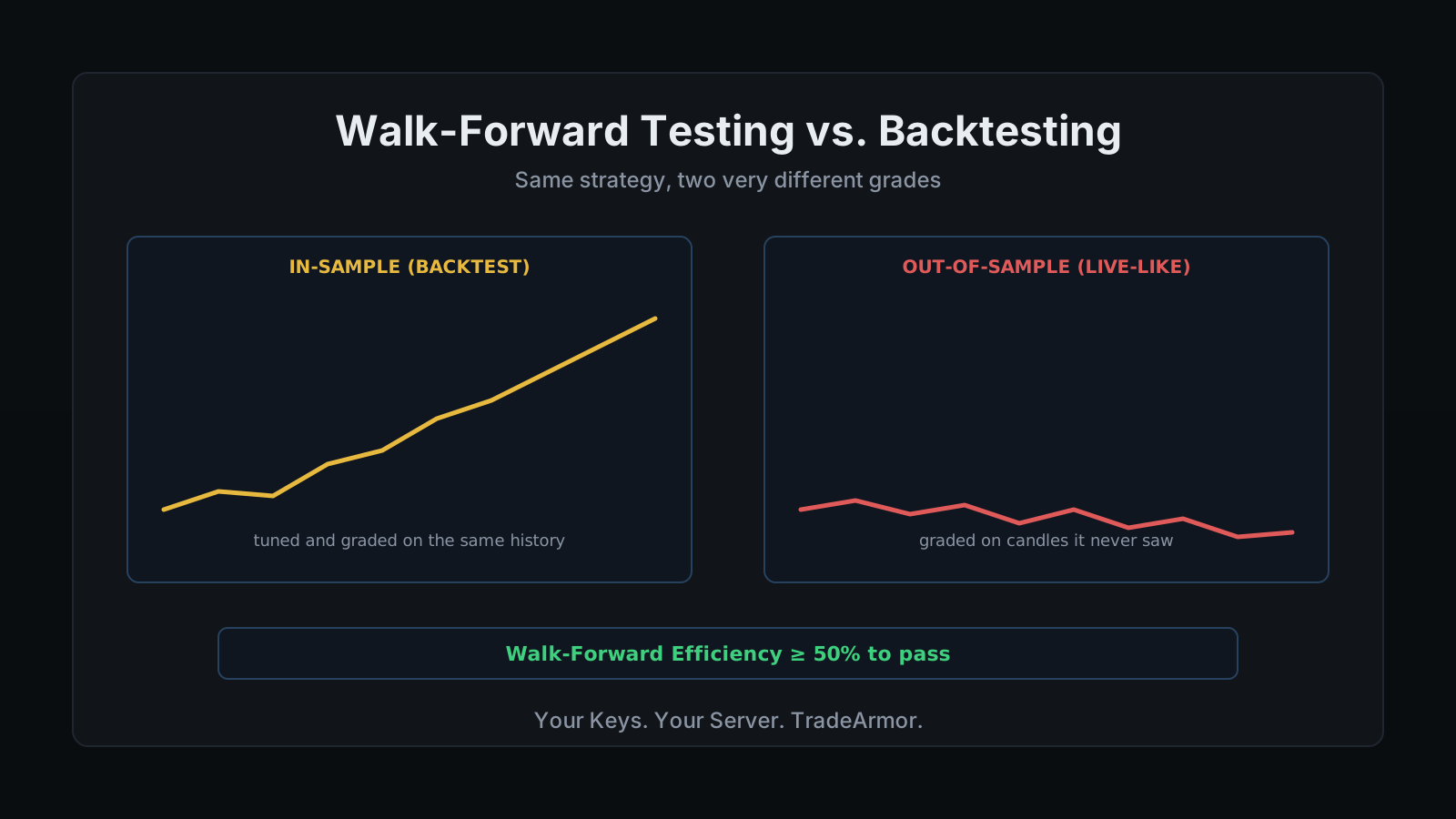
Walk-Forward Testing vs. Backtesting: Why Your Crypto Strategy Backtest Lies to You
Walk-forward testing splits a crypto strategy backtest into blind out-of-sample windows, exposing the overfitting a normal single-pass backtest hides.
-
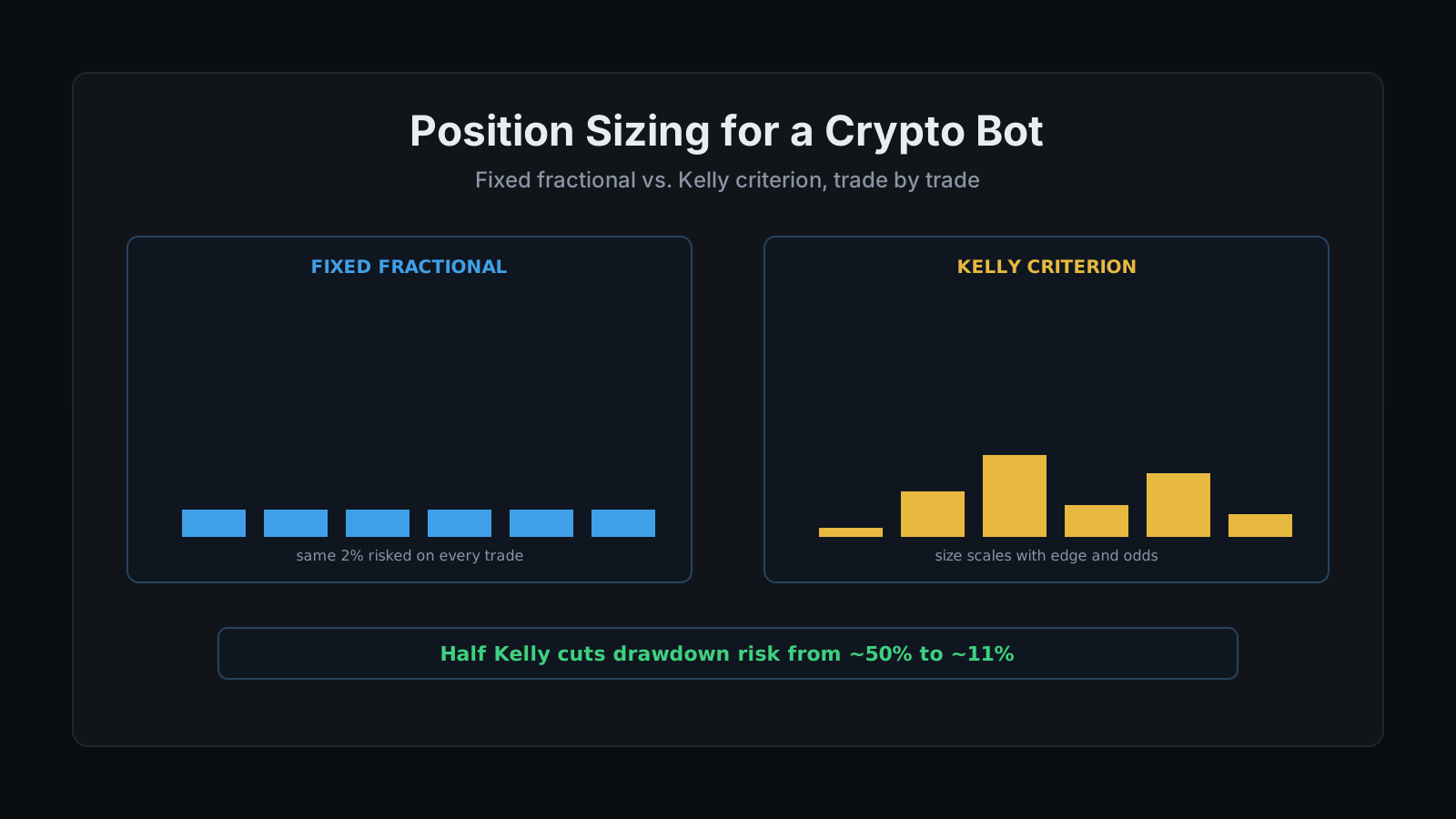
Position Sizing for a Crypto Bot: Fixed Fractional vs. Kelly Criterion
Position sizing for a crypto bot decides more of the outcome than the entry signal. The fixed fractional and Kelly criterion math, compared honestly.
-
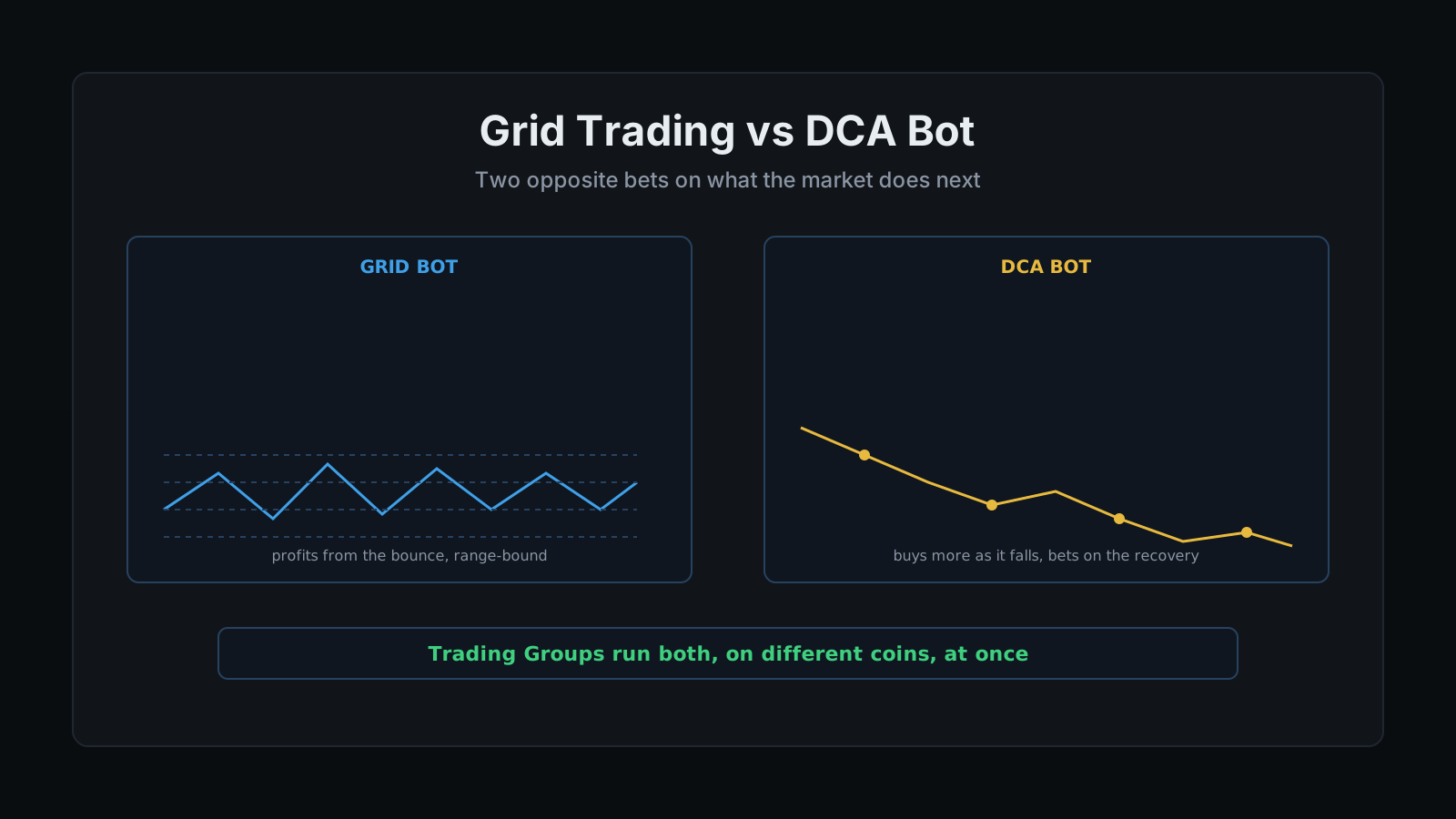
Grid Trading vs DCA Bot: Which Fits Your Market
Grid trading vs DCA bot is not a preference, it is a bet on whether the market ranges or trends. The mechanics, the failure modes, and how to choose.
-

Trading Groups: Running Multiple Strategies on One Crypto Bot
Trading Groups let you run multiple strategies on one crypto bot: signals on BTC, custom rules on alts, grid on a range-bound pair, each with its own settings.
-

Hybrid Crypto Trading Strategy: Signals Plus Your Own Filter Rules
A hybrid crypto trading strategy runs cava-signals through your own indicator filters before a trade fires. Here's how TradeArmor's Hybrid Mode works.